The art market lives on a precious commodity: trust. Yet precisely where passion and investment meet, opacity is often considerable. When we began accompanying Peter Robert Keil’s work intensively more than 15 years ago, our goal was clear: we wanted to create security – for collectors, for the market, and not least for the artist’s life’s work itself.
Today, we look back on an eventful period in which we not only certified thousands of works, but also broke new technical ground.
Between a Riot of Color and Forgery: The Keil Phenomenon
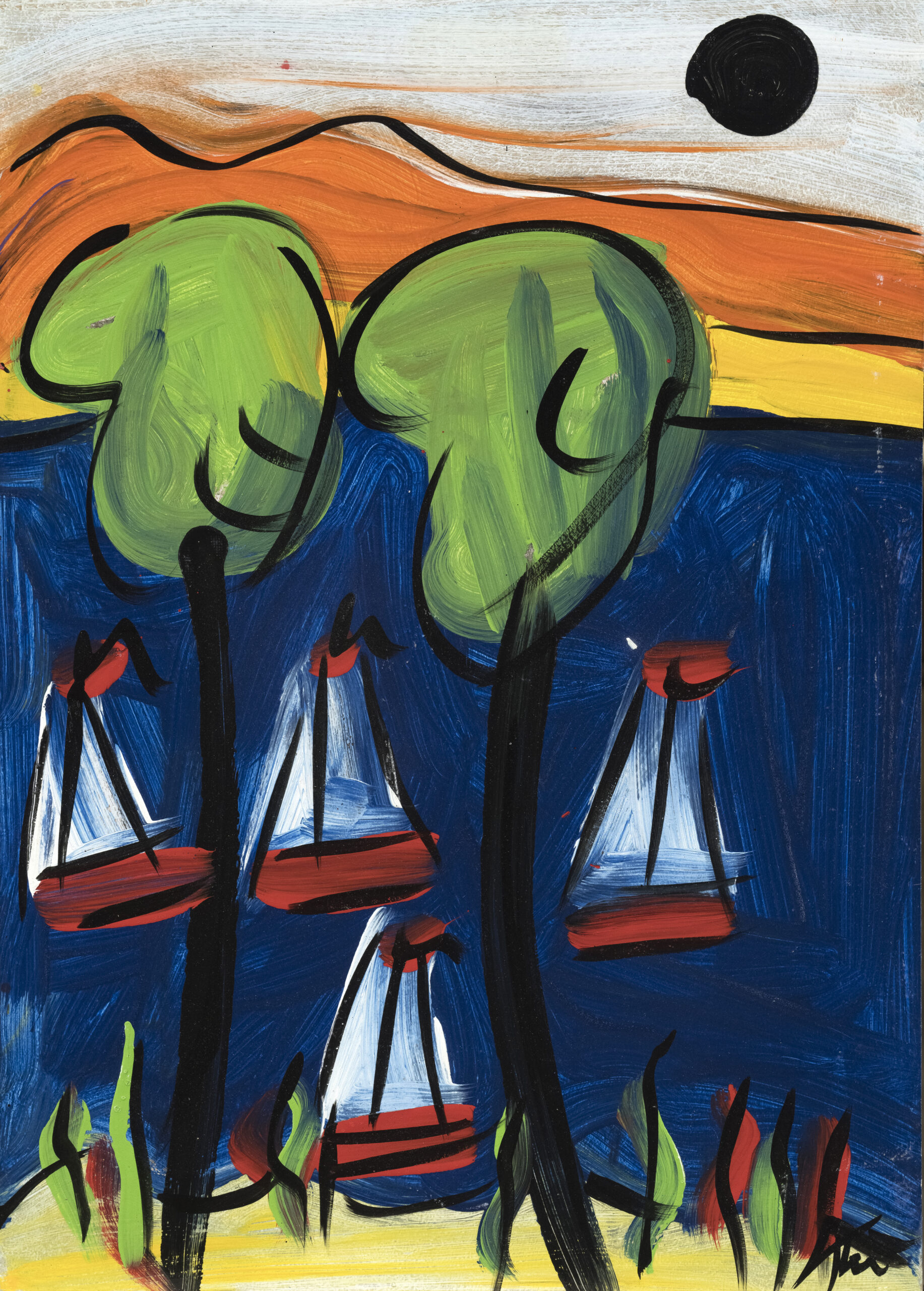
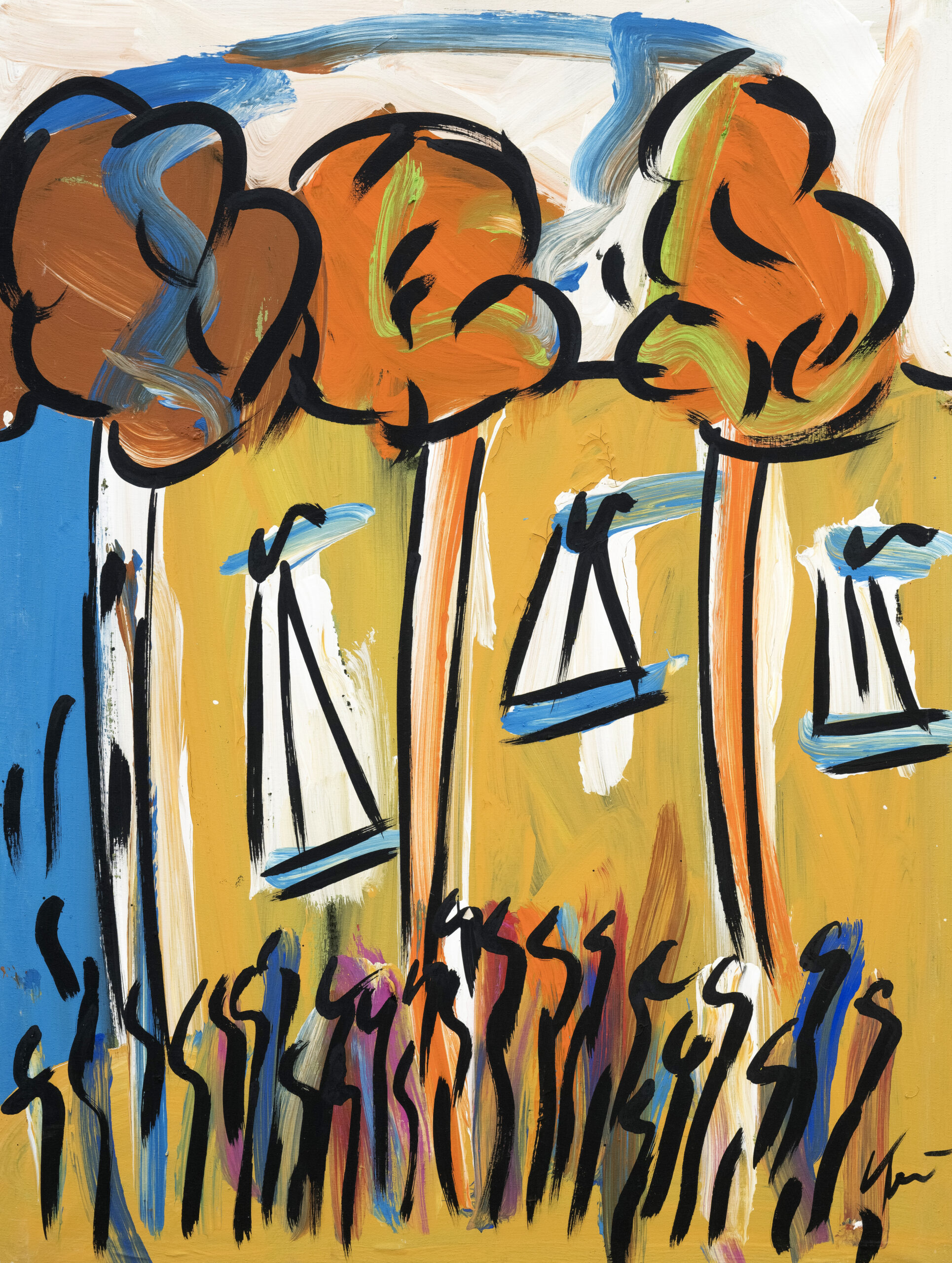
Peter Robert Keil (b. 1942) is an exceptional figure. With his intensely colorful, impulsive style, often associated with the “Neue Wilde,” he has created a monumental oeuvre of more than 20,000 works. Yet this enormous productivity, together with the enduring popularity of his motifs – especially the iconic “Faces” and the Wannsee landscapes – also has a downside: it attracts forgers.
Over the past 15 years, in more than 15 certification appointments in Heidelberg, Berlin, Hamburg and beyond, we have:
Reviewed and examined more than 7,000 works.
Worked personally with more than 200 collectors worldwide.
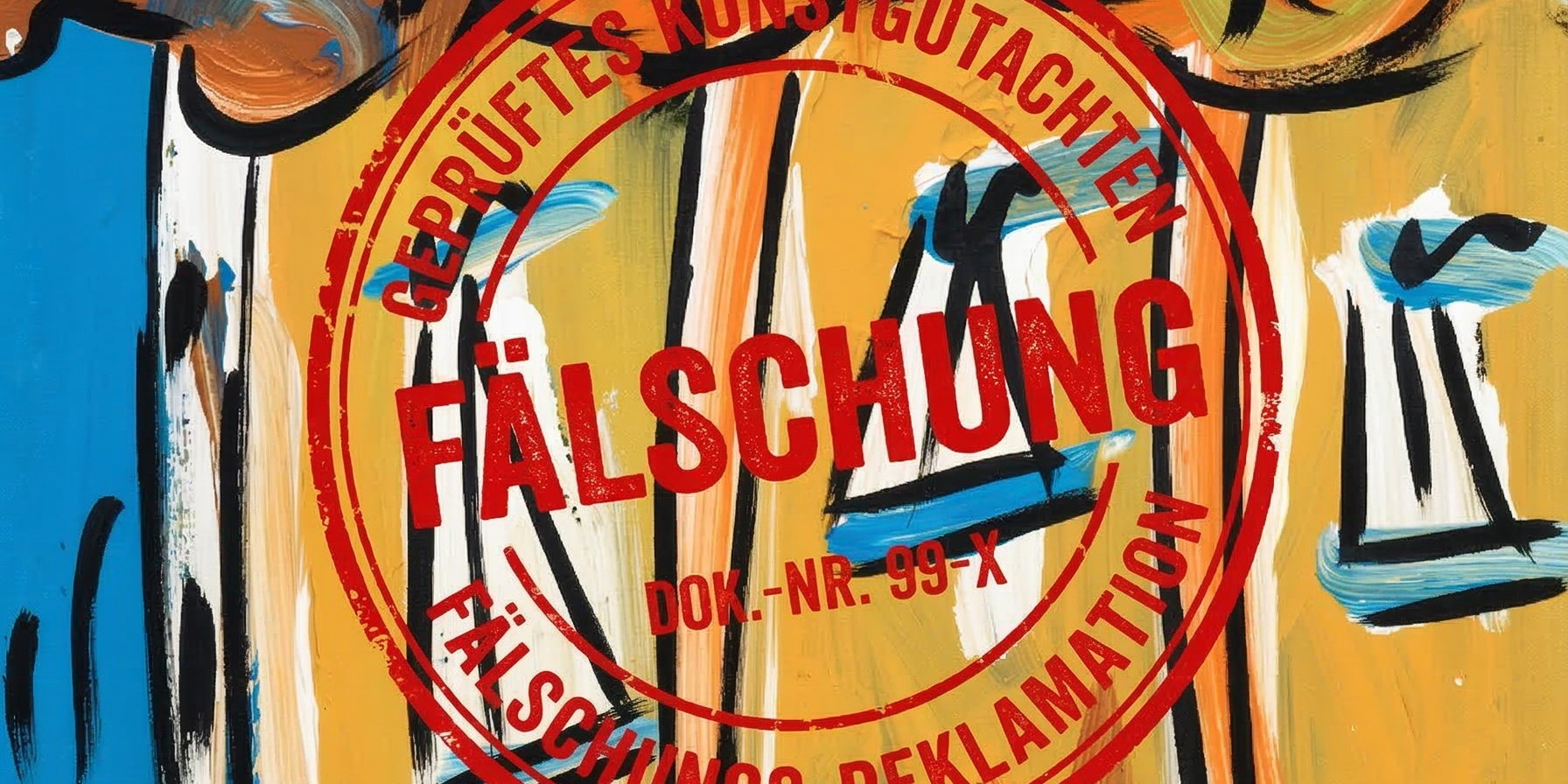
Identified around 600 forgeries – approximately 10% of the submitted works – and, in some cases, removed them from circulation.
Especially online, on platforms such as eBay or even in supposedly reputable auctions – mostly in the United States – works regularly appear that may look like a “Keil” at first glance, but are revealed as plagiarisms upon closer examination. Most of these are smaller formats or simplified subjects that flood the market and unsettle collectors.
Wenn das Auge Unterstützung braucht: Das Projekt „The A-Eye™“
Our mission has always been to strengthen human expertise through innovative tools. In close collaboration with ARTTRD and the experts at Art Eye-D Associates, we therefore supported a project that is helping lead the art world into the future: authentication through deep learning.
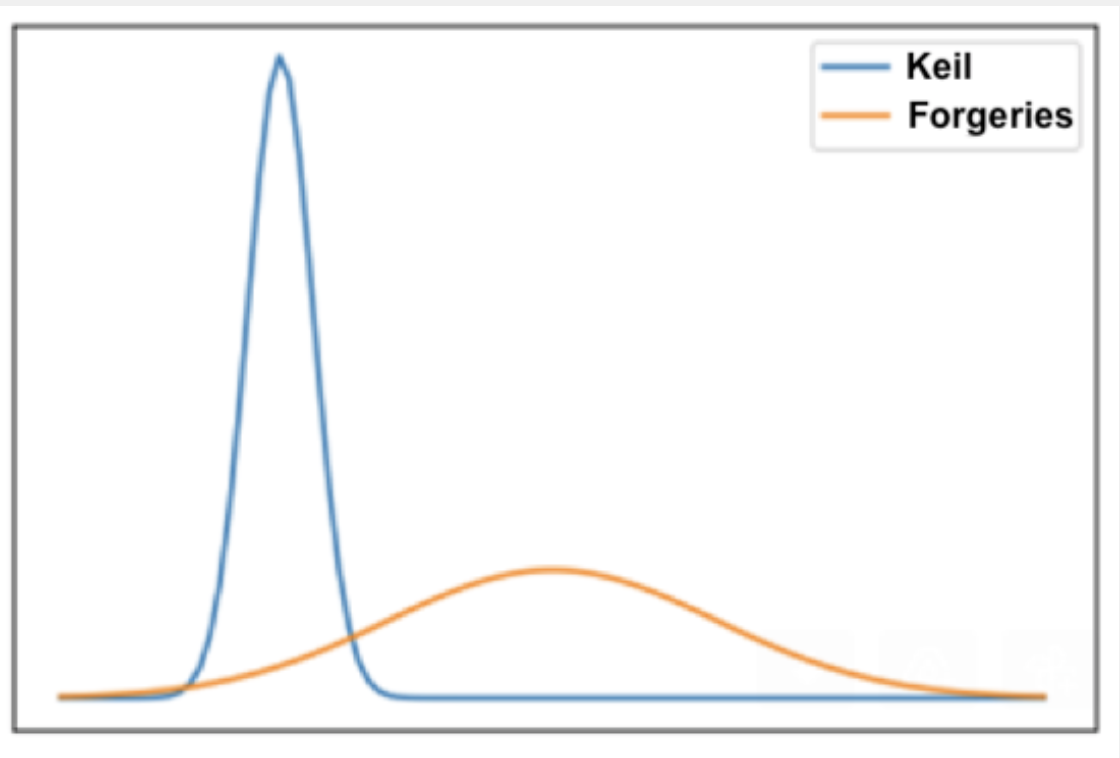
Thanks to our extensive database of authentic Keil works and reliably identified forgeries, we were able to train a neural network that learns how Peter Robert Keil truly paints.
The method: Using the “Salient Slices” technique, the AI analyzes high-resolution image fragments for entropy and visual diversity.
The training: The model was not only fed with authentic Keil works, but also with works by contemporaries and influences such as Baselitz, Picasso or Warhol, in order to understand the subtle stylistic differences.
The result: An impressive accuracy rate of 98%. Even forgeries that appeared deceptively authentic to the human eye were reliably identified by the algorithm.
“The AI is not a replacement for the trained eye of an art historian or the artist himself – it is a highly efficient digital assistant that provides certainty where doubts arise.”
The Keil Collection Heidelberg as a Bridge
Together with art historian Dr. Kristina Hoge, Peter Robert Keil has been working closely with us since 2013 to continuously expand the catalogue raisonné. The AI project shows us that we are on the right path: we are protecting Keil’s cultural legacy and helping to protect collectors not only from financial loss.
Our work over the past 15 years has shown that a certificate from the Keil Collection is more than just a document. It is the result of years of experience, intensive research and now also cutting-edge technology.
Protect Your Collection
Have you acquired a work, or are you planning a purchase and unsure about its authenticity? We invite you to make use of the Keil Collection Heidelberg’s certification process. Let us work together to ensure that the market for Peter Robert Keil remains a place of trust.
Would you like to learn more about our work or the AI project? Please feel free to contact us.